



If I had to answer the question directly, the best free web hosting depends on what I want to build, but for most people, a free website builder with built-in hosting is usually the most practical starting point. For beginners and personal projects, usability and reliability often matter more than unlimited features.
For testing ideas, learning, blogging, or creating a simple online presence, free hosting can work well. However, if long-term growth, custom branding, stronger performance, or business credibility matters, moving to an affordable paid plan usually becomes the better decision.
Key takeaways:
- Free web hosting is best for learning, portfolios, blogs, and testing ideas
- Storage, bandwidth and upgrade flexibility matter more than “unlimited” claims
- Most free hosts encourage upgrades through feature limitations
- Website builders are often easier than traditional free hosting
- Free hosting is useful short term but not always ideal long term
What Should I Look for When Choosing Free Web Hosting?

Choosing free web hosting is less about finding the provider with the longest feature list and more about understanding what I actually need from the website. A provider offering excessive resources may still create limitations elsewhere, such as poor loading speeds or restricted control.
The first thing I consider is website performance. Even free websites should load reliably and stay online consistently. Storage and bandwidth should also match the type of website being created. A simple blog requires very different resources compared with a media-heavy portfolio.
Security matters more than many beginners realise. Free SSL certificates, basic protection tools, and account stability help create trust with visitors.
I also pay attention to flexibility. Some platforms only allow branded subdomains, while others support connecting my own domain later, making future upgrades easier without rebuilding the website.
Is Free Web Hosting Actually Good Enough for a Real Website?
Free web hosting can be good enough depending on the purpose of the website. I view it as a practical starting point rather than a permanent solution.
For example, if I want to launch a personal blog, build a portfolio, experiment with website design, or test a business idea before investing money, free hosting often provides enough functionality.
However, expectations need to remain realistic. Professional growth usually introduces requirements that free plans struggle to support.
Free hosting generally works well when:
- Learning website creation for the first time
- Running temporary projects
- Building a student portfolio
- Creating simple informational websites
- Testing content ideas before committing financially
Free hosting becomes less suitable when:
- Website speed directly affects visitors
- I need stronger search visibility
- Brand credibility becomes important
- Higher traffic volumes appear
- Advanced features become necessary
A useful way to think about free hosting is that it reduces upfront cost but usually increases future limitations. Choosing with that expectation helps avoid disappointment later.
How Do Free Hosting Providers Make Money?

Free hosting companies are businesses, which means there is usually a commercial model behind every free service. In many cases, free plans are designed to introduce users to an ecosystem before encouraging upgrades. Rather than charging immediately, providers offer enough functionality to get websites online and gradually present premium options.
Some common approaches include:
- Offering limited storage or traffic allowances
- Restricting advanced customisation tools
- Charging for custom domains
- Selling premium performance upgrades
- Providing additional email or security services
- Encouraging users to move into paid tiers
Some providers also place platform branding or visual elements on free websites. Others keep the experience clean but reserve premium features for paying customers.
This does not mean free hosting is misleading. In many cases, the free version genuinely provides value. The key difference is understanding that free hosting usually prioritises accessibility first and scalability second. When expectations are clear from the beginning, free hosting becomes easier to evaluate fairly.
Which Free Web Hosting Providers Are Worth Considering in 2026?
After comparing free hosting platforms, I found there is no single best option for everyone because the right choice depends on the type of website I want to create. I focused on factors such as ease of setup, storage, flexibility, upgrade options, and overall usability rather than marketing claims.
The providers below each stand out for different reasons, whether the goal is blogging, learning, testing, or building a simple website.
1. WordPress.com
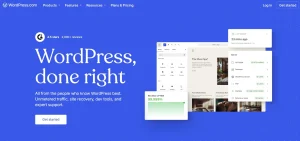
If I were choosing a free web hosting provider specifically for blogging, content publishing, or launching a simple website without managing technical hosting settings, WordPress.com would sit near the top of my shortlist.
Unlike traditional hosting providers that require separate setup and maintenance, WordPress.com combines website creation and hosting into a single platform.
What makes it appealing is the balance between flexibility and simplicity. There is no need to configure servers, install software, or manage updates manually. Instead, I can focus on creating pages and publishing content immediately.
The free plan is particularly suitable for beginners, hobby projects, personal websites, and first-time bloggers. However, there are trade-offs that become noticeable as a website grows.
| Feature | Free Plan Overview |
|---|---|
| Starting Cost | £0/month |
| Storage | 3GB |
| Bandwidth | Suitable for starter websites |
| Website Address | WordPress.com subdomain |
| Website Builder | Included |
| Themes | Large selection available |
| Upgrade Option | Available when growth is needed |
What stood out most during my evaluation was WordPress.com’s established reputation and mature publishing ecosystem. The platform gives access to a broad selection of themes and customisation options that make creating a professional-looking website relatively straightforward.
I found it especially practical for blogs and content-led websites where writing and publishing take priority over advanced technical control.
The upgrade path also feels natural because additional storage and expanded features become available as needs grow. That said, compared with drag-and-drop website builders, there can be a slightly steeper learning curve for complete beginners.
2. AwardSpace
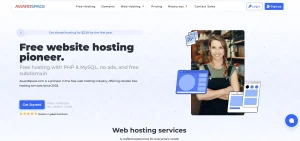
If I wanted free web hosting with more flexibility than a typical website builder, AwardSpace would be one of the stronger options to consider. Rather than focusing purely on drag-and-drop website creation, it provides a more traditional hosting experience while still remaining approachable for beginners.
One of the reasons AwardSpace stands out is that it allows multiple websites on a free plan, which is uncommon among free hosting providers.
It also includes practical tools such as database support and one-click application installations, making it easier to launch simple websites without extensive technical setup.
The platform is better suited for personal websites, lightweight projects, early-stage blogs, or users who want to explore hosting before moving into a paid environment.
| Feature | Free Plan Overview |
|---|---|
| Starting Cost | £0/month |
| Storage | 1GB |
| Bandwidth | 5GB |
| Websites Allowed | Up to 4 |
| Database Support | Included |
| Website Ads | No adverts |
| Upgrade Option | Available |
What stood out during my evaluation was AwardSpace’s attempt to make free hosting feel more complete rather than heavily restricted. Hosting multiple websites adds flexibility that many competitors do not offer.
The inclusion of databases and one-click installers also creates a smoother setup experience. At the same time, storage and traffic allowances mean this solution works best for smaller websites rather than long-term growth projects.
3. Wix
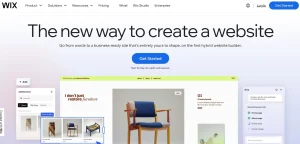
If my goal was to launch a website quickly with almost no technical learning curve, Wix would be one of the easiest free hosting options available. Instead of functioning as a traditional web host, Wix combines hosting and website building into one platform, making setup straightforward.
The biggest advantage is usability. I can select a template, customise the design visually, and publish without touching code or managing hosting configurations. This approach makes Wix particularly attractive for beginners and users creating personal websites.
Its built-in tools also make website management simpler than many conventional free hosting services.
| Feature | Free Plan Overview |
|---|---|
| Starting Cost | £0/month |
| Storage | 500MB |
| Bandwidth | 500MB |
| Website Address | Wix subdomain |
| Website Builder | Included |
| SEO Features | Included |
| Upgrade Option | Available |
What stood out during my evaluation was how beginner-focused the entire experience feels. The design library and visual editing tools reduce complexity significantly. Wix also includes helpful optimisation features and hosting in one place.
However, the free plan becomes restrictive for larger websites, especially when more media, stronger branding, or higher traffic requirements appear.
4. FreeHosting.com
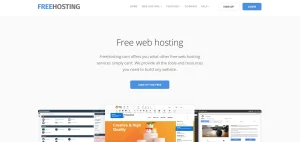
If I wanted a free hosting provider that focused more on hosting resources than website building, FreeHosting.com would be an option worth considering. The platform offers a more traditional hosting environment and allows users to connect existing domains instead of relying entirely on platform subdomains.
Compared with several free competitors, its available storage allocation is relatively generous for smaller websites and personal projects.
This provider feels more suitable for users who already understand basic hosting concepts and want direct control rather than guided website creation.
| Feature | Free Plan Overview |
|---|---|
| Starting Cost | £0/month |
| Storage | 10GB |
| Bandwidth | Unmetered |
| Email Accounts | Included |
| Database | 1 MySQL |
| Control Panel | cPanel |
| Upgrade Option | Available |
What stood out during my evaluation was the combination of traditional hosting features with no initial cost. The ability to connect a domain and access cPanel makes the service feel closer to standard paid hosting.
However, the experience appears to prioritise resources over performance consistency, which may affect websites that depend heavily on speed and uptime.
5. Weebly

If I were looking for a free web hosting provider that prioritises ease of use and visual website creation over technical hosting controls, Weebly would be one of the platforms I’d seriously consider.
Unlike traditional hosting services that require setup and configuration, Weebly combines hosting and website building into one environment, allowing websites to be launched with minimal effort.
The biggest appeal is accessibility. I can choose a template, customise the design through drag-and-drop editing, and publish without needing coding knowledge.
That makes Weebly particularly suitable for personal websites, beginner portfolios, simple landing pages, and users building their first website.
The free plan is designed to remove complexity from website creation, though limitations become more noticeable once more advanced features or stronger branding are required.
| Feature | Free Plan Overview |
|---|---|
| Starting Cost | £0/month |
| Storage | 500MB |
| Bandwidth | Unlimited |
| Website Address | Weebly subdomain |
| Website Builder | Included |
| Templates | Included |
| Upgrade Option | Available |
What stood out during my evaluation was how simple and approachable the entire platform feels. The drag-and-drop builder makes creating pages quick and intuitive, and the available templates create a professional appearance without requiring technical knowledge.
I also appreciated that the free version avoids intrusive advertising. However, visible platform branding and fewer advanced features make the free plan more suitable for starter projects than long-term business websites.
6. x10Hosting
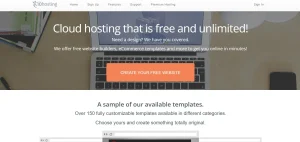
If I wanted free web hosting that felt closer to traditional paid hosting rather than a simplified website builder, x10Hosting would stand out as one of the stronger choices.
Unlike many beginner-focused free services, x10Hosting provides more hosting flexibility and gives users access to features that are normally associated with paid environments.
The platform positions itself as a complete hosting solution and includes tools for users who want more control over how their websites are managed. That makes it appealing for testing websites, learning hosting fundamentals, or creating projects that require greater technical access.
For users who prefer experimenting with website configurations rather than relying entirely on pre-built templates, x10Hosting creates more opportunities.
| Feature | Free Plan Overview |
|---|---|
| Starting Cost | £0/month |
| Storage | Unlimited* |
| Bandwidth | Unlimited* |
| Database Support | Included |
| Control Panel | Included |
| 1-Click Install | Included |
| Upgrade Option | Available |
What stood out during my evaluation was how feature-rich the platform appears compared with many free competitors. Access to website management tools, application installations, and broader hosting controls makes it feel closer to standard hosting than website builders.
However, usage policies still apply, and unlimited resources should be viewed as flexible rather than unrestricted. For users wanting more technical freedom, x10Hosting offers one of the more capable free environments.
7. Hostinger (Free Trial Option)

If I were choosing with long-term growth in mind rather than permanent free hosting, Hostinger would be one of the strongest alternatives available. Although it no longer operates as a traditional free hosting provider, its low-cost plans and trial opportunities make it a practical step beyond free platforms.
Hostinger focuses heavily on speed, website performance, and user experience. Instead of limiting users through aggressive restrictions, the platform aims to provide affordable hosting with stronger infrastructure and modern optimisation technologies.
For users planning to launch something more serious later, beginning with a provider that supports growth can reduce migration challenges.
| Feature | Trial / Entry Overview |
|---|---|
| Starting Cost | Trial / low-cost plans |
| Storage | SSD based |
| SSL | Included |
| Weekly Backups | Included |
| WordPress Support | Included |
| Server Locations | Multiple |
| Upgrade Option | Extensive |
What stood out during my evaluation was the balance between affordability and hosting quality. Website speed, stronger performance tools, and included features such as SSL certificates make the platform feel more premium than many free options.
I also liked that upgrading remains straightforward as websites grow. While users seeking permanently free hosting may look elsewhere, Hostinger feels like a practical bridge between experimentation and long-term website ownership.
8. Freehostia
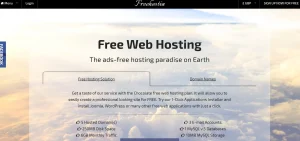
If I wanted a lightweight free hosting service with practical website tools and fewer advertising compromises, Freehostia would be worth considering. Unlike website builders that focus mainly on design simplicity, Freehostia offers a more hosting-centred experience while still remaining approachable for users with limited experience.
The platform supports common applications through one-click installations and includes useful extras that make smaller websites easier to launch. It also provides access to security features that are not always standard among free hosting providers.
This makes it suitable for small projects, learning environments, and early-stage websites.
| Feature | Free Plan Overview |
|---|---|
| Starting Cost | £0/month |
| Storage | 250MB |
| Monthly Traffic | 6GB |
| Domains Hosted | 5 |
| Email Accounts | 3 |
| SSL | Included |
| Upgrade Option | Available |
What stood out during my evaluation was the amount of practical functionality packed into the free plan. Hosting multiple domains and including SSL support gives the platform additional credibility compared with simpler free alternatives.
However, the storage and traffic restrictions make it clear that the free plan is designed more as a starting point than a permanent hosting solution.
9. FreeHostingEU
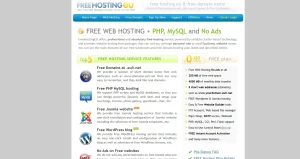
If I wanted a free hosting provider with a more European-focused approach and straightforward website setup, FreeHostingEU would be one of the options worth exploring.
The platform combines free hosting with website creation tools and attempts to make website publishing accessible for users who are just getting started.
One of its more interesting features is support for multiple website-building approaches rather than forcing users into a single creation method. Combined with common hosting technologies, it offers enough flexibility for personal websites and basic projects.
The platform works best when expectations remain realistic.
| Feature | Free Plan Overview |
|---|---|
| Starting Cost | £0/month |
| Storage | 200MB |
| Bandwidth | 4GB |
| Email Accounts | Included |
| Website Builders | Included |
| Script Installs | Included |
| Upgrade Option | Available |
What stood out during my evaluation was the platform’s effort to combine website creation and hosting without making the experience overly technical.
Access to builders, installation tools, and support options creates a lower barrier for beginners. However, the limited storage allocation means users planning to publish larger websites may eventually outgrow the free environment.
10. FreeWebHostingArea
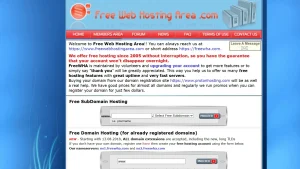
If I wanted a free hosting platform that focused more on technical flexibility than visual website building, FreeWebHostingArea would be one of the more interesting providers to explore. Unlike beginner-oriented builders, this platform gives users greater involvement in managing website settings and hosting environments.
Its approach feels designed for users who enjoy experimenting, testing website technologies, or understanding how hosting works behind the scenes.
Although the platform appears simple on the surface, it includes useful tools that create additional control.
| Feature | Free Plan Overview |
|---|---|
| Starting Cost | £0/month |
| Storage | 1.5GB |
| Traffic | Unmetered |
| Database Support | Included |
| Backups | Included |
| Hosting Control | Included |
| Upgrade Option | Available |
What stood out during my evaluation was the platform’s more hands-on approach to hosting. Features such as backups, database support, and direct website management create more flexibility than many visual builders provide.
However, users expecting a beginner-friendly experience may find the learning curve steeper. For experimentation and technical learning, FreeWebHostingArea offers an interesting free starting point.
Which Free Web Hosting Option Would I Personally Choose?
If I were choosing today, I would match the host to the goal rather than selecting a universal winner. For someone creating their first website, ease of setup usually wins. For blogging, content tools become more valuable. For experimentation, flexibility matters most.
My approach would be to start with a free platform only if I expect low traffic and minimal risk. If growth is expected, I would choose a provider with an easy upgrade path.
| Goal | My Preferred Direction | Why |
|---|---|---|
| First website | Wix | Simple setup and beginner friendly |
| Blogging | WordPress.com | Strong publishing environment |
| Learning hosting | x10Hosting | More technical flexibility |
| Multiple small sites | AwardSpace | Better project separation |
| Long-term growth | Hostinger | Easier transition to paid hosting |
For most UK users, I would prioritise ease of migration over free features. Moving websites later can become more difficult than paying a small amount upfront.
If the objective is learning, free hosting makes sense. If the objective is building something that needs reliability and growth, planning beyond free hosting usually creates a smoother experience.
What Are the Biggest Risks of Using Free Web Hosting?

The biggest risk of free web hosting is not usually cost, it is unpredictability. Free services can change policies, reduce features, or encourage upgrades with little warning. That does not make them bad, but it does mean planning matters.
Common risks include:
- Slower website loading during busy periods
- Limited customer support availability
- Restrictions on website growth
- Storage or bandwidth ceilings
- Reduced branding flexibility
- Platform dependency
There is also the practical issue of migration. Once content, pages, and visitors begin growing, moving to another provider can require additional time.
Another overlooked issue is support quality. When something breaks, response times and available help can vary significantlyFor projects that generate revenue or represent a business, reliability becomes more valuable than saving a small monthly cost. Understanding these trade-offs allows free hosting to remain useful without creating unrealistic expectations.
Conclusio
So, which free web hosting is the best? If my goal is simplicity and fast setup, website builders with included hosting are usually the easiest place to begin. If I want more control, traditional free hosts can provide extra flexibility but often require more patience and technical confidence.
Free web hosting remains a valuable option for learning, building portfolios, launching blogs, and testing ideas without financial commitment. However, every free platform introduces trade-offs somewhere, whether through limits, branding, performance, or future upgrade pressure.
The best choice is not necessarily the host with the most features. It is the one that matches the website’s purpose today while making tomorrow easier.
FAQs About Which Free Web Hosting is the Best?
Is free web hosting secure enough?
Basic security can be sufficient for personal projects, but business websites often benefit from stronger protection.
Can I connect my own domain later?
Many providers allow upgrades that support custom domains.
Will free hosting show adverts?
Some do, while others use branding or feature limitations instead.
Can I move to paid hosting later?
Most providers support upgrades, though migration difficulty varies.
Is free hosting suitable for UK businesses?
For testing ideas, possibly. For long-term operation, stronger hosting is usually preferred.
Which option is easiest for beginners?
Website builders tend to offer the smoothest starting experience.
How much traffic can free hosting handle?
That depends on provider limitations, content type, and website optimisation.